
Field Study on Jet Grouting Parameters and Their Effect on Tensile and Unconfined Compressive Strength
Jet grouting is widely used in industrial applications and increasingly in construction and civil engineering for soil improvement. It utilizes high-pressure hydraulic energy to disrupt the soil structure and mix it with injected materials, enhancing strength and reducing permeability. This method has proven effective in geotechnically and geologically challenging conditions and is commonly used for reducing settlement in embankments.
Designing jet grout columns involves complex variables, including soil type, grout-soil interaction, nozzle spray force, water flow rate, rotation speed, and nozzle movement. This study focuses on evaluating the shear strength parameters of cement-soil columns in soft clay, based on the relationship between unconfined compressive strength (UCS) and tensile strength. Both theoretical modeling and field experiments were used.
The UCS and tensile strength data were employed to construct Mohr’s circles and failure envelopes, enabling the estimation of shear strength parameters. Results indicate that increasing cement content, water ratio, and jet pressure enhances column strength. UCS values ranged from 2.78 to 5.52 MPa, while internal friction angles varied between 38° and 44°. Tensile strength increased with higher UCS, ranging between 0.66 and 1.02 MPa.
This confirms the effectiveness of jet grouting in improving soft clay soils by significantly increasing both tensile and compressive strength through appropriate design parameters.
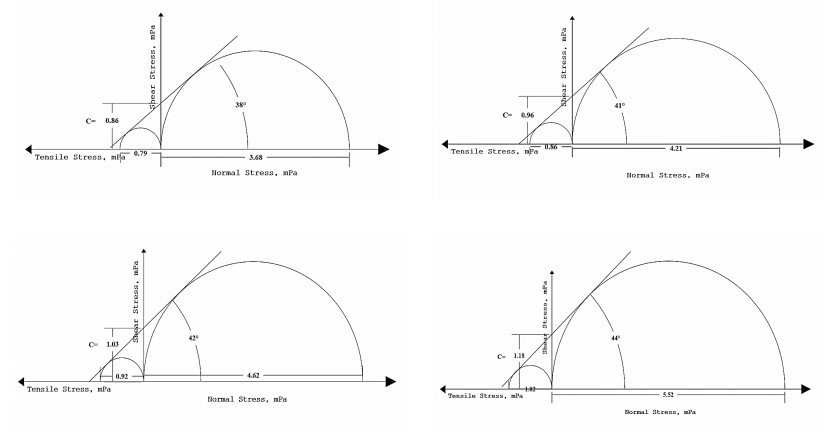
Figure 1: Construction Stages of Single and Group Jet Grouted Soil-Cement Columns
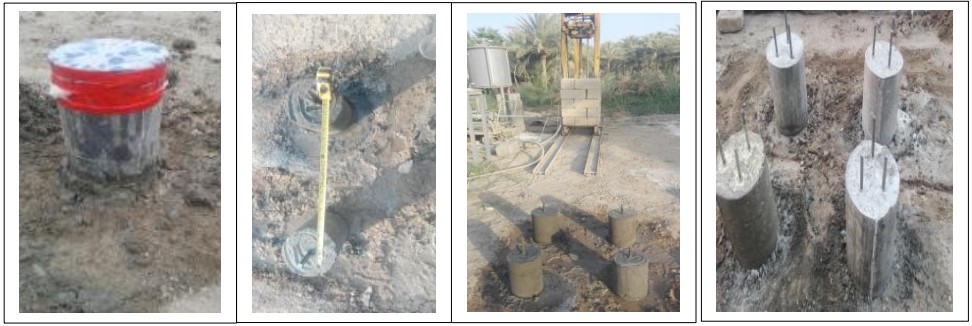
Figure 2: Images of Estimated Shear Strength of Jet Grouted Soil-Cement Columns Derived from Compressive and Tensile Strengths
