
Implementation of Eco-Friendly Porous Materials Using Deep Mixing Soil Improvement
Generally, deep soil mixing involves using clay as the primary material to stabilize the mixture with cement extensively.
In one southwest coast area of South Korea, most lands used for port construction—including support facilities and special structures—were soft soils. Without stabilization, heavy consolidation settlements and various geotechnical problems like shear failure could occur.
Thus, when building structures on such soils, various soil improvement methods are applied for reinforcement. This study conducted a combined design test and a field case study to evaluate the performance of an economical porous binder (CMD-SOIL), utilizing sulfurized power plant ash as industrial waste.
Deep Mixing Method
The soil-cement deep mixing method using sulfur-free ash is effective and compatible with conventional cement used in deep mixing. Laboratory tests showed that CMD-SOIL’s uniaxial compressive strength was 1.14 times higher than cement slag at various water contents, mixing ratios, and binder-to-water ratios.
Moreover, CMD-SOIL showed strength increases up to 1.22 times compared to oyster shell powder and 1.36 times compared to floating soil mixtures. Field case studies revealed that the uniaxial compressive strength ratio (λ) of porous improved materials on site was 0.77 of the lab test values, close to an overall ratio of 2/3 = 0.67.
Therefore, CMD-SOIL provides appropriate strength and economic benefits for coastal structures where shell powder layers are mixed or floating soil is improved via construction techniques. Figure 1 illustrates the strength ratio between 7- and 28-day curing periods, showing compressive strength increases up to 88.2% and 82.5% for furnace slag and CMD-SOIL samples respectively. These results indicate similar strength gains over these curing periods.
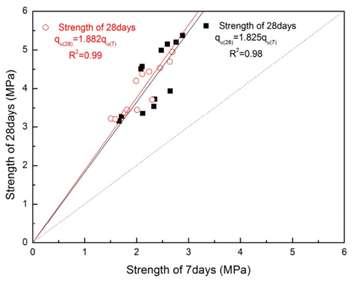
Figure 1: Strength Increase Ratio in this Study
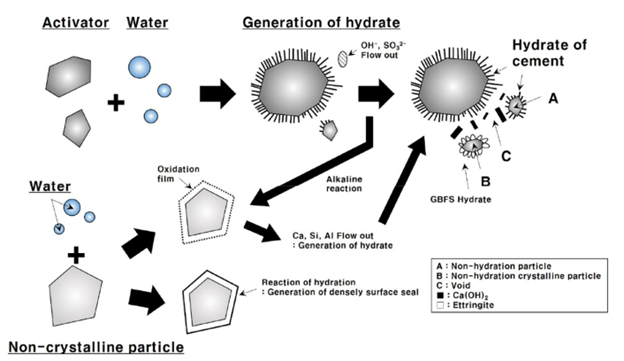
Figure 2: Chemical Reaction Mechanism of CMD-SOIL Sample
